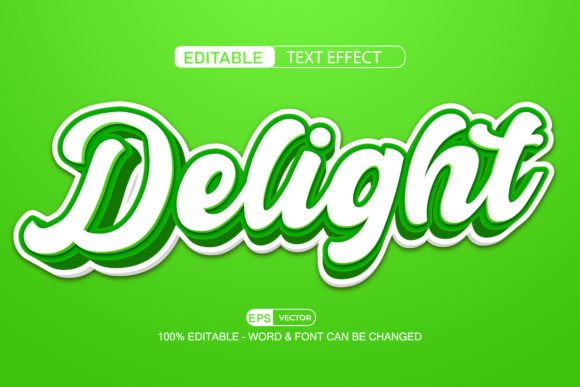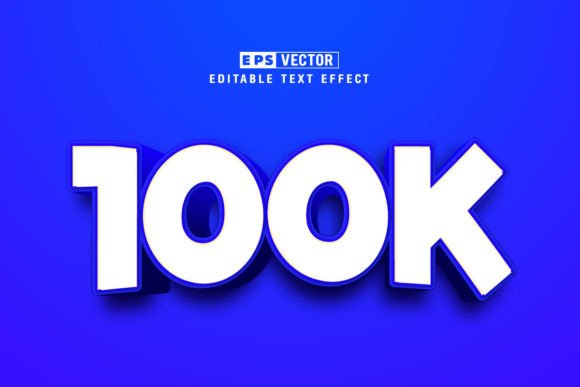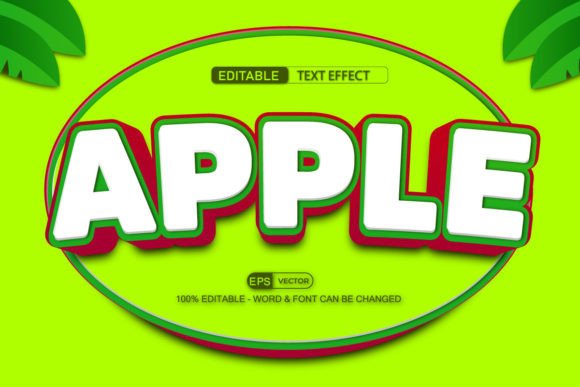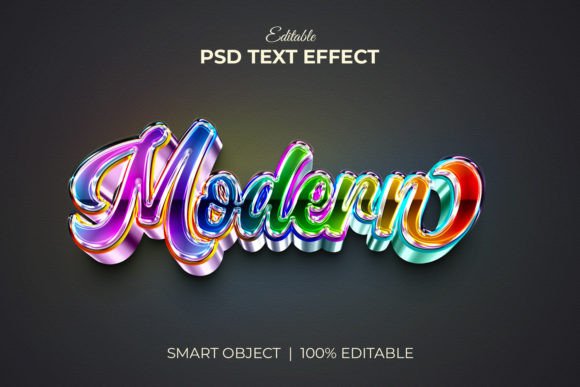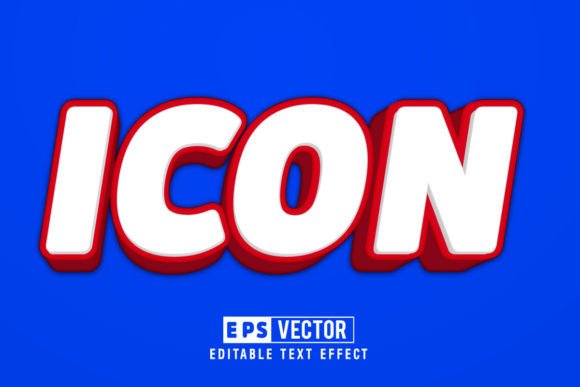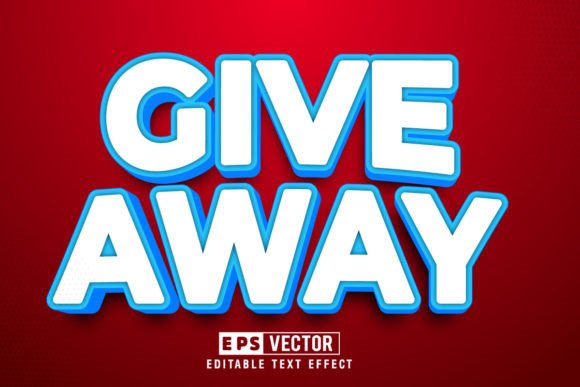
Editable Text Effect Vector 3D: A Powerful Tool for Creative Designers
Designing visually appealing graphics has never been easier, especially with the advent of editable text effect vector 3D tools. These digital assets offer a unique combination of flexibility, quality, and ease of use that make them ideal for both beginners and seasoned designers. Whether you're creating content for social media, marketing materials, presentations, or personal projects, having access to editable text effect vector 3D can significantly enhance your workflow and final output.
What Is an Editable Text Effect Vector 3D?
An editable text effect vector 3D is a type of design file that allows users to modify not only the text but also its visual effects in three dimensions. Unlike standard images or non-editable fonts, these files are created using vector-based software like Adobe Illustrator, which ensures scalability without loss of quality. The "editable" feature means you can change the words, font style, size, color, and even apply 3D transformations directly within the design environment.
These files are typically saved in formats such as .ai (Adobe Illustrator), .eps, or .svg, which support layers and objects. This makes it easy to adjust individual components of the design without affecting the rest of the artwork. For example, if you have a 3D text graphic with shadows and lighting effects, you can tweak the shadow intensity or reposition the light source independently from the text itself.
The Purpose and Significance of Editable Text Effects
Editables text effects serve multiple purposes across various industries. They allow designers to create professional-grade visuals quickly and efficiently, saving time and resources. In the context of branding, advertising, or digital content creation, the ability to customize every aspect of a text graphic is invaluable.
- Customization: Users can tailor the text to match their brand identity, project theme, or specific message.
- Consistency: Editable designs ensure that all elements remain aligned with the overall look and feel of the project.
- Adaptability: Since they’re based on vectors, these files can be resized for different platforms—from mobile screens to billboards—without losing clarity.
Why Use Vector-Based 3D Text Effects?
Vector graphics are mathematical representations of images, making them resolution-independent. This is especially important when working with 3D text effects, where intricate details and depth need to remain sharp at any scale. Using a vector 3D text effect guarantees that your design will look crisp and clean whether printed on a t-shirt or displayed on a high-resolution screen.
How to Work With Editable Text Effect Vector 3D Files
If you're new to this concept, you might wonder how to actually edit these files. The process is surprisingly straightforward, particularly when using Adobe Illustrator. Here’s a quick overview of what you can do:
- Open the File: Use Adobe Illustrator to open the vector file. You’ll see each element—text, effects, shapes—as separate layers or objects.
- Edit the Text: Select the text layer and replace the default wording with your own. You can also change the font, size, and color easily.
- Modify the Effects: Adjust the 3D settings, lighting, shadows, and other effects using Illustrator's built-in tools. This gives you full control over the visual outcome.
- Export for Use: Once satisfied, export the design in your preferred format, such as PNG, JPEG, or PDF, depending on your needs.
This seamless editing experience is why many professionals prefer Give Away Editable Text Effect Vector 3D Style packages. These bundles often include pre-designed templates that users can adapt for their specific requirements.
Common Uses of Editable 3D Text Effects
From digital art to print media, editable 3D text effects have found their place in numerous creative fields. Let’s explore some of the most common applications:
Marketing and Advertising
In the world of marketing, first impressions matter. An eye-catching logo or headline can make the difference between a customer engaging with your content or scrolling past it. With editable 3D text effects, marketers can produce dynamic headlines for posters, banners, and online ads that stand out while maintaining brand consistency.
Social Media Graphics
Social media platforms demand high-quality, attention-grabbing visuals. Many businesses and influencers use editable 3D text effects to craft posts that highlight key messages or promotions. For instance, a fitness brand might use bold 3D text to promote a new workout plan, customizing the colors and fonts to align with their aesthetic.
Presentations and Educational Materials
Whether you're preparing a corporate presentation or designing educational content, editable 3D text effects can add a professional touch. Teachers and trainers often use these effects to emphasize important points, making slides more engaging for students and audiences alike.
Graphic Design Projects
Graphic designers frequently incorporate 3D text into their work for everything from album covers to website headers. Because these effects are fully editable, designers can experiment with different styles and settings until they achieve the perfect look.
Advantages of Using Editable Text Effect Vector 3D Files
There are several reasons why using editable vector 3D text effects is beneficial for both individuals and businesses:
- Time Efficiency: Instead of starting from scratch, you can modify existing templates, allowing you to focus on creativity rather than technical setup.
- Cost-Effectiveness: High-quality design tools can be expensive, but free or affordable editable vector 3D text packages help reduce production costs.
- Professional Results: Even those without advanced design skills can produce polished graphics by adjusting simple parameters.
- Scalability: Vector files ensure that your design looks great no matter the size, which is essential for multi-platform use.
Who Can Benefit From These Tools?
Anyone who creates visual content can benefit from editable 3D text effects. This includes:
- Graphic designers looking to streamline their workflow
- Business owners needing promotional materials
- Teachers and educators designing classroom resources
- Students learning about design principles
- Digital artists experimenting with typography in 3D space
Understanding the Difference Between Editable and Non-Editable Designs
A common misconception is that all text effects are equally customizable. In reality, there’s a big difference between editable and non-editable files:
- Non-Editable Files: These are usually raster images (.png or .jpg) where the text is part of the image. You can’t change the wording, font, or size without redrawing the entire graphic.
- Editable Files: As the name suggests, these allow full customization. The text remains in a selectable format, and the effects are applied as layers or smart objects, giving you complete freedom to adjust as needed.
For example, imagine you receive a text graphic for a birthday party invitation. If it's non-editable, you'd need to hire a designer to change the names and dates. But with an editable 3D text effect vector, you can simply click and edit the relevant parts yourself, saving both time and money.
How to Choose the Right Editable 3D Text Effect
With so many options available, selecting the best editable 3D text effect can seem overwhelming. Here are a few tips to guide your choice:
- Define Your Purpose: Are you creating something for print, web, or video? Different uses may require different types of effects and resolutions.
- Check Compatibility: Ensure the file works with your design software. Most editable 3D text effects are compatible with Adobe Illustrator, but always confirm before purchasing or downloading.
- Review the Customization Options: Some packages offer more flexibility than others. Look for ones that let you adjust fonts, colors, sizes, and 3D parameters freely.
- Consider Licensing Terms: If you're using the design for commercial purposes, verify that the license allows it. Many give away editable text effects come with specific usage rights.
- Product Packaging: Companies use 3D text to label products creatively. For instance, a beverage brand might use a glowing 3D text effect for their logo to stand out on shelves.
- Film Titles and Trailers: Movie studios often rely on dramatic 3D text to capture the essence of a film’s genre and theme.
- Website Headers: Web designers integrate 3D text into site headers or landing pages to create a strong visual impact and improve user engagement.
- Merchandise Designs: T-shirts, mugs, and phone cases frequently feature stylized 3D text to attract buyers and reflect a brand’s personality.
- Download the File: Find a reputable source offering editable 3D text effects. Many websites provide free or paid downloads in .ai or .eps formats.
- Open in Adobe Illustrator: Launch Illustrator and open the downloaded file. Familiarize yourself with the layers panel to locate the text and effect layers.
- Edit the Text: Click on the text object and type in your desired message. Change the font, size, and color using the tools provided.
- Adjust the 3D Settings: Go to the 3D options panel and tweak the extrusion depth, surface textures, lighting angles, and shadow settings to achieve the desired effect.
- Preview and Export: Use the preview mode to see real-time changes. When done, export your design in the required format for your platform.
- Create a Template Library: Save your favorite editable 3D text effects for future use, making it faster to generate new content.
- Experiment With Styles: Try combining different fonts, colors, and effects to discover what works best for your brand or project.
- Use for Multiple Platforms: Adapt the same design for print, web, and mobile by exporting it in appropriate resolutions and formats.
- Collaborate Efficiently: Share editable files with team members or clients who can make changes themselves, reducing back-and-forth communication.
When choosing a Give Away Editable Text Effect Vector 3D Style, also consider the design style—modern, vintage, futuristic, etc.—to ensure it matches your project’s tone and audience expectations.
Real-World Examples of Editable 3D Text in Action
To better understand how editable 3D text effects are used, here are a few practical examples:
Getting Started With Editable Text Effects
If you're ready to start using editable text effects, here’s a step-by-step guide to help you begin:
Many tutorials are available online to walk you through the process, especially if you're new to Adobe Illustrator or 3D text effects. Communities and forums also offer valuable insights and troubleshooting help.
Why “Just Click and Edit” Matters
One of the standout features of editable text effect vector 3D files is the phrase “just click and edit.” This refers to the intuitive nature of these files. Unlike traditional graphic design, where you might need to manually recreate elements, these files allow you to make instant changes with minimal effort. Simply select the text or effect you want to modify and adjust the parameters using the software’s interface.
This functionality is especially useful for non-designers who may not have the technical skills to build complex 3D text from scratch. It empowers them to take control of their creative projects and bring their ideas to life with ease.
Integrating Editable 3D Text Into Your Workflow
Once you’ve mastered the basics, you can start integrating these effects into your regular design tasks. Here are a few ways to do that:
Conclusion
Editable text effect vector 3D files are a game-changer in the world of design. Their flexibility, scalability, and ease of use make them a must-have tool for anyone involved in visual content creation. Whether you're a business owner, educator, marketer, or hobbyist, these files empower you to create stunning, customized graphics without the need for advanced design expertise.
By understanding the fundamentals of vector-based 3D text and how to manipulate it effectively, you can unlock new levels of creativity and productivity. So, next time you need a striking visual with personalized text, remember the power of Give Away Editable Text Effect Vector 3D and how it can transform your project from ordinary to extraordinary.
Explore the latest editable 3D text effects and start enhancing your designs today. With just a few clicks, you can turn your ideas into captivating visuals that leave a lasting impression.