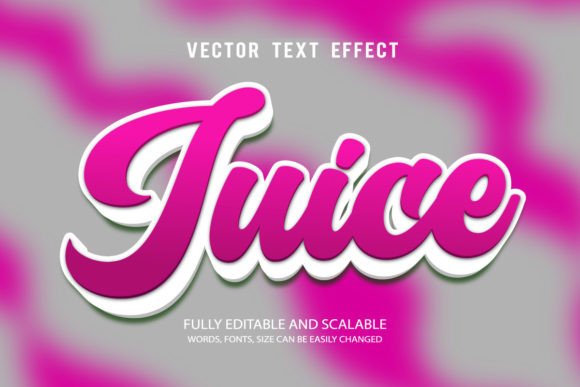
Enhancing Visual Communication with Juice Text Effect Vector 3D Style
In the digital age, where visual content plays a pivotal role in capturing attention and conveying messages effectively, the Juice Text Effect Vector 3D Style emerges as a powerful tool for professionals across various fields. This design element is not just about aesthetics; it's a strategic asset that can elevate your communication, branding, and creative output when used thoughtfully.
What Is Juice Text Effect Vector 3D Style?
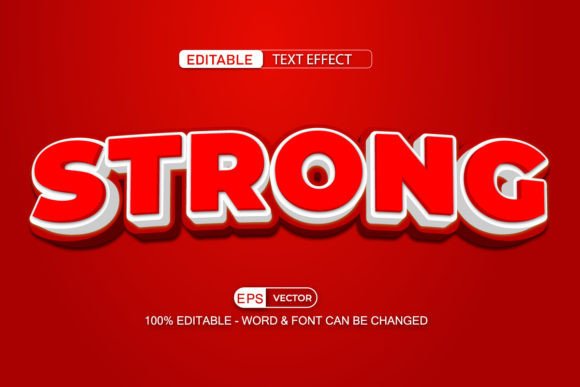
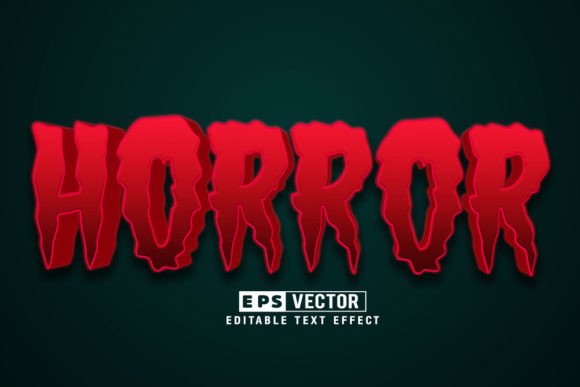
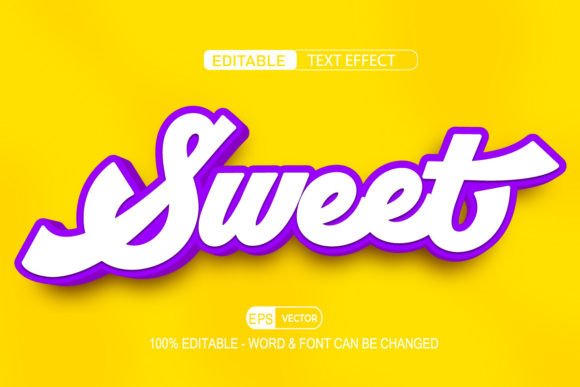
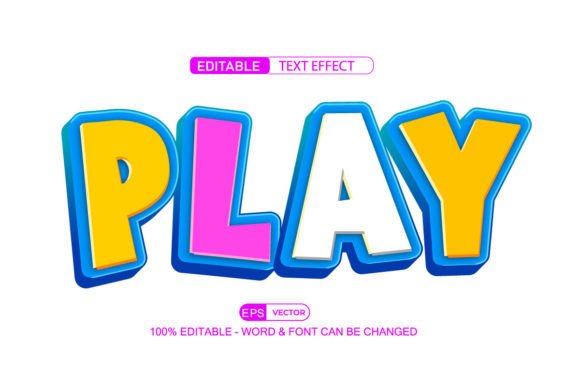
The Juice Text Effect Vector 3D Style refers to a dynamic text design format created using vector graphics software like Adobe Illustrator. It combines bold typography with three-dimensional effects such as lighting, shadows, depth, and textures, making the text visually engaging and adaptable. Unlike raster images, which lose quality when scaled, vector designs maintain sharpness at any size, offering unmatched flexibility for both print and digital applications.
This style is particularly useful because it allows users to modify every aspect of the text easily — from words and fonts to size and color. The editable nature means you can tailor the design to suit specific projects, audiences, or brand identities without starting from scratch each time.
Strategic Value Across Industries
For entrepreneurs and marketers, the Juice Text Effect Vector 3D Style provides an opportunity to stand out in a crowded marketplace. Whether you're creating social media posts, website banners, or promotional materials, this effect can help you communicate your message with clarity and impact. In advertising, for instance, the right text effect can reinforce a product’s value proposition and enhance brand recall.
Creators and educators can leverage this style to make presentations, infographics, or tutorials more engaging. A well-designed title slide using 3D text effects can set the tone for a lecture or webinar, encouraging better audience retention and interaction. Similarly, freelancers and bloggers often use these effects to add flair to their content while maintaining professionalism and readability.
When and How to Use It Effectively
While the Juice Text Effect Vector 3D Style offers versatility, its effectiveness depends on context and purpose. It works best in situations where visual storytelling is key. For example:
- Product Launches: Highlighting key features or slogans in 3D can create a sense of innovation and excitement.
- Brand Identity Projects: Incorporating 3D text into logos or taglines can give a modern edge to traditional brands.
- Digital Marketing Campaigns: Eye-catching headlines in social media ads or email newsletters can improve click-through rates.
- Creative Presentations: Using animated or stylized 3D text can make data visualization more compelling.
To use this style strategically, begin by defining your goal. Are you aiming to increase engagement, clarify messaging, or differentiate your brand? Once you have a clear objective, consider how the Juice Text Effect Vector 3D Style can support it. Start with simple designs and gradually introduce complexity based on your project’s needs.
Planning Tips for Maximum Impact
- Align with Brand Guidelines: Ensure the colors, fonts, and overall look of the 3D text are consistent with your existing brand identity.
- Use Sparingly: Apply the effect only where it adds value. Overuse can distract from the core message and reduce credibility.
- Test Across Platforms: Preview your design on different screens and devices to ensure it remains legible and effective.
- Consider Accessibility: Avoid overly complex effects that might hinder readability for users with visual impairments.
Real-World Use Cases and Examples
Imagine a small business owner launching a new line of eco-friendly products. By using the Juice Text Effect Vector 3D Style on their packaging labels and online banners, they can emphasize sustainability with vibrant, dimensional text that catches the eye and reinforces their mission.
A digital marketer running a campaign for a tech startup might incorporate this style into Instagram Stories or YouTube thumbnails. The 3D text could highlight a key feature like “AI-Powered Efficiency,” helping the audience quickly grasp the product’s unique selling point.
Educators preparing a course on graphic design can use this style as a teaching aid, demonstrating how to manipulate vector elements to achieve different visual effects. Students benefit from hands-on experience with real-world tools like Adobe Illustrator, enhancing their learning outcomes and practical skills.
Adobe Illustrator: Your Creative Playground
Adobe Illustrator is the go-to platform for working with the Juice Text Effect Vector 3D Style. Its robust vector tools allow designers to adjust individual components of the text effect with precision. From changing font weights to customizing lighting angles, everything is fully editable, enabling a high degree of customization without compromising quality.
One of the standout benefits of using Adobe Illustrator is the ability to export your designs in multiple formats, including SVG, PNG, and PDF. This ensures compatibility across different platforms and maintains the integrity of your work whether it's displayed on a mobile screen or printed on large-format signage.
Risks of Using Without Clear Goals
Despite its advantages, the Juice Text Effect Vector 3D Style can be misused if applied without strategy. When used randomly, it may lead to visual clutter, dilute the message, or even confuse the audience. For instance, adding excessive animation or too many textures can make text hard to read or overshadow important information.
Professionals should also be cautious about overcomplicating designs to the point where they become inaccessible. While creativity is essential, usability must remain a priority. Always ask yourself: does this effect serve a purpose, or is it just there to look cool?
How to Approach It Intentionally
Using the Juice Text Effect Vector 3D Style intentionally involves aligning the design with your communication objectives. Begin by identifying the key message you want to convey and the emotional response you hope to elicit. Then choose an effect that enhances those goals rather than detracts from them.
Consider the following steps to approach it methodically:
- Define the Message: What is the main idea you want to communicate? Keep it concise and impactful.
- Select the Right Font: Match the font style to your brand or the emotion you want to evoke (e.g., bold for authority, cursive for elegance).
- Customize the Effect: Adjust lighting, depth, and color to match the tone and context of your project.
- Integrate Thoughtfully: Place the text within the overall layout so it complements other design elements rather than competing with them.
Long-Term Benefits and Strategic Integration
Over time, the thoughtful use of the Juice Text Effect Vector 3D Style can contribute to stronger brand recognition and higher engagement. Because the design is scalable and editable, it becomes a reusable component in your creative toolkit, saving time and resources during future projects.
For businesses, integrating this style into marketing collateral or website headers can help establish a cohesive visual language. Educators and trainers can use it to break down complex topics into digestible, visually appealing segments. Creators, especially in video and web design, can animate these effects to add motion and depth to static content, increasing viewer retention.
Decision-Making Guidance for Effective Use
Before committing to the Juice Text Effect Vector 3D Style, ask yourself a few key questions:
- Does this effect align with my brand voice and target audience?
- Will it enhance the message or obscure it?
- Can I maintain consistency across all touchpoints using this style?
- Is it accessible and functional across all intended platforms?
Answering these questions helps ensure your use of the effect is intentional and impactful. It also prevents the common pitfall of chasing trends at the expense of substance.
Conclusion
The Juice Text Effect Vector 3D Style is a valuable resource for anyone looking to enhance their visual communication. When used with clarity and purpose, it supports strategic goals, improves customer experience, and boosts productivity by streamlining the design process. However, success lies in understanding when and how to apply it effectively.
By planning carefully, considering your audience, and leveraging the full capabilities of Adobe Illustrator, you can transform ordinary text into a compelling visual statement. The result is not just a beautiful design but one that contributes meaningfully to your long-term outcomes — whether in branding, education, or business operations.