How to Use Food Editable Text Effect Vector 3D Styl in Your Design Workflow
In the world of graphic design, especially when working with food-related content, visual appeal is crucial. Whether you're creating packaging for a new product, designing promotional materials for a restaurant, or developing branding for a food startup, having high-quality and customizable text effects can significantly enhance your output. The Food Editable Text Effect Vector 3D Styl offers designers a powerful tool that combines creativity with practicality, making it an essential part of any professional’s toolkit.
Understanding What Food Editable Text Effect Vector 3D Styl Is
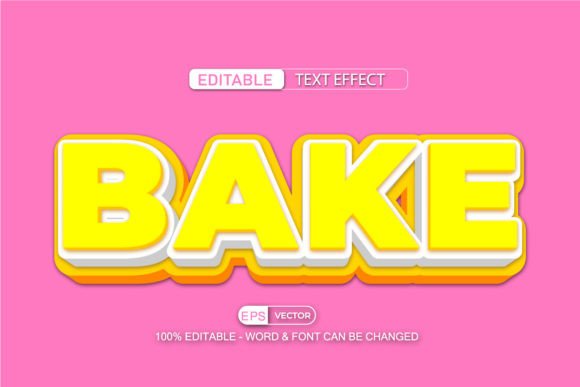
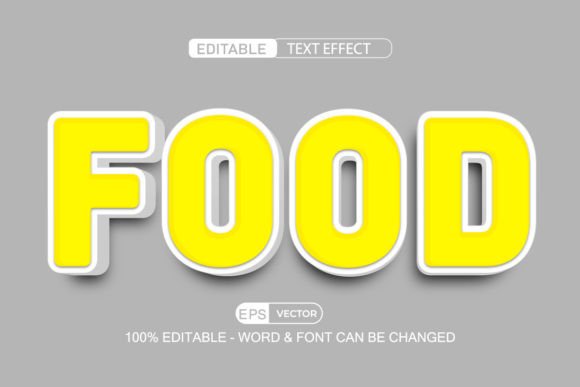
The Food Editable Text Effect Vector 3D Styl is a digital design resource typically created using Adobe Illustrator. It features stylized, three-dimensional text effects that are inspired by food themes—such as baked goods, fruits, vegetables, or culinary tools. These effects come in vector format, which means they’re scalable without losing quality and can be easily modified to suit specific design needs.
This type of text effect is particularly useful for those who want to add a touch of realism, texture, or thematic consistency to their projects. Unlike static images or pre-made templates, this vector-based text allows for full customization. You can change the font, size, color, and even adjust individual elements of the 3D structure to match your project's requirements.
When to Integrate Food Editable Text Effect Vector 3D Styl Into Your Process
Integrating this tool into your workflow can happen at various stages:
- Before a Project: During the planning phase, use the Food Editable Text Effect Vector 3D Styl to brainstorm how typography will fit into the overall aesthetic. For example, if you're designing a logo for a bakery, you might explore different 3D text styles resembling bread loaves or pastries to align with the brand identity.
- During a Project: As you begin executing the design, these editable text effects can speed up the process. You don’t have to start from scratch when adding a headline or title; instead, you can customize existing vectors to save time while maintaining creative control.
- After Completion: If you need to update a design later—whether it's changing a slogan, rebranding, or adjusting for different markets—the ability to click and edit makes revisions straightforward and efficient.
Workflow Integration: Making It Work for You
One of the main advantages of the Food Editable Text Effect Vector 3D Styl is its seamless integration into existing workflows. Here's how it can be used effectively across different design platforms and tasks:
- Adobe Illustrator Compatibility: Since it's built for Adobe Illustrator, this text effect works well within standard design software environments. Import the file, open the layers panel, and tweak fonts, colors, and dimensions directly in the application.
- Cross-Platform Use: After editing in Illustrator, you can export the text effect in formats like SVG, PNG, or PDF for use in other applications such as Photoshop, InDesign, or even web development tools. This ensures flexibility whether you're working on print or digital media.
- Collaboration and Handoff: When collaborating with developers or printers, having clean vector files means you can provide assets that are easy to interpret and scale. Clear documentation of your edits also helps maintain consistency during handoffs.
Practical Implementation Tips
To get the most out of the Food Editable Text Effect Vector 3D Styl, consider the following tips:
- Organize Layers: Keep your Illustrator file structured by organizing each component of the text effect into separate layers. This makes future edits more manageable and reduces the risk of accidentally modifying parts of the design.
- Use Smart Objects: When exporting to Photoshop, convert the edited text into a smart object to preserve its editable nature. This gives you the best of both worlds—vector precision and pixel-level adjustments.
- Maintain Brand Consistency: Ensure that any changes you make to the text effect align with your client’s or company’s brand guidelines. Adjusting font styles or colors should reflect the established visual language.
- Optimize for Performance: When using the text effect in web or app design, optimize the exported file size without compromising quality. Use compression settings wisely and test rendering performance across devices.
Use Cases Across Industries
The versatility of the Food Editable Text Effect Vector 3D Styl extends beyond just logos and headlines. Here are several real-world scenarios where it can be applied:
Marketing and Advertising
Marketers often rely on striking visuals to capture attention. Using a 3D text effect that mimics food items—like a chocolate bar or pizza slice—can help create eye-catching banners, social media posts, or ad campaigns. The ease of editing allows for quick A/B testing of different slogans or calls to action.
Restaurant and Café Branding
For businesses in the food service industry, branding must evoke taste, aroma, and experience. Incorporating a custom 3D text effect that resembles ingredients or cooking tools can help build a cohesive brand image across menus, signage, and promotional materials.
Product Packaging
Freelance designers and small business owners working on food packaging benefit greatly from this tool. Instead of commissioning 3D renderings from scratch, they can use ready-to-edit text effects to simulate product labels or titles with depth and texture.
Educational Materials
Teachers and educators can use these text effects to create engaging presentations or infographics about nutrition, recipes, or food science. The interactive nature of vector designs makes them ideal for students to experiment with in class projects.
Bloggers and Content Creators
Food bloggers and YouTubers often need headers or thumbnails that stand out. With the Food Editable Text Effect Vector 3D Styl, they can generate unique titles for videos or articles that reflect the theme of their content without relying on stock graphics.
Factors to Consider for Long-Term Use
While the Food Editable Text Effect Vector 3D Styl is highly versatile, there are some considerations to ensure long-term usability and efficiency:
Preparation and Organization
Before diving into editing, spend a few minutes understanding the file structure. Look for grouped elements, layer names, and embedded fonts. Proper preparation can prevent unnecessary troubleshooting later.
Compatibility and File Types
Always check compatibility with your design software. While the primary format is Adobe Illustrator (.ai), ensure that any exports (e.g., .svg, .eps) maintain the integrity of the text effect. Some platforms may not support all vector features, so test exports before finalizing.
Usability and Learning Curve
If you're new to working with 3D text effects, take time to familiarize yourself with Illustrator’s tools. Features like gradient mapping, extrusion, and lighting controls can dramatically affect the outcome. Online tutorials or guides tailored to vector text effects can be helpful for mastering the technique.
Efficiency in Reuse
Once you’ve customized a text effect, consider saving it as a reusable template. This is especially useful if you frequently work on similar projects—like food packaging or restaurant branding. Having a library of saved effects can streamline future tasks and improve productivity.
Quality Control and Final Output
Before publishing or printing, always review the final design for clarity and resolution. Zoom in to check for any artifacts or misalignments that could occur after scaling. A well-executed 3D text effect adds polish but can also detract if not rendered properly.
Smooth Integration Into Existing Routines
Many professionals already have a set of tools and processes they rely on daily. Integrating the Food Editable Text Effect Vector 3D Styl doesn't require overhauling your entire system. Instead, think of it as a plug-and-play enhancement:
- Start Small: Apply the text effect to one element of your design first, such as a header or button. Once comfortable, expand its use to more complex layouts.
- Combine With Other Assets: Pair the text effect with icons, illustrations, or photography to create layered compositions. Its vector format plays nicely with other design assets, allowing for alignment and consistency.
- Automate Where Possible: If you're using Adobe Illustrator regularly, consider setting up actions or scripts to automate repetitive tasks like applying gradients or shadows commonly used in food-themed effects.
Observations and Best Practices
Here are some observations based on real-world usage:
- Users who take the time to understand the layer hierarchy often find the editing process faster and more intuitive.
- Text readability should never be sacrificed for style. Even with intricate 3D effects, ensure the message remains clear and legible at all sizes.
- Some users prefer to flatten the text effect early in the design process to avoid conflicts with other software or printing methods. Always keep a copy of the original editable file for future modifications.
Conclusion
The Food Editable Text Effect Vector 3D Styl is more than just a design asset—it's a strategic element that enhances the visual storytelling of food-centric projects. By offering full customization, scalability, and compatibility with major design tools, it fits naturally into a wide range of workflows. Whether you're a marketer, educator, blogger, or small business owner, this resource can elevate your output without requiring advanced technical skills. Just click, edit, and bring your ideas to life with a fresh, dimensional twist.