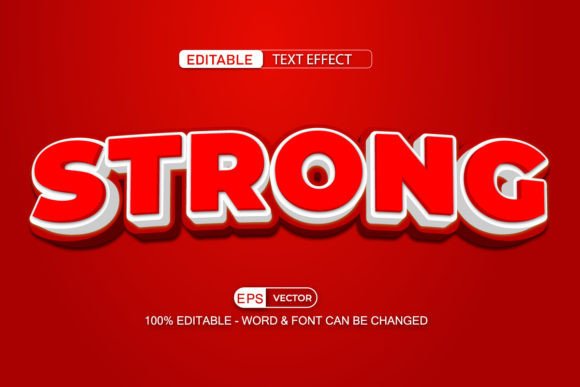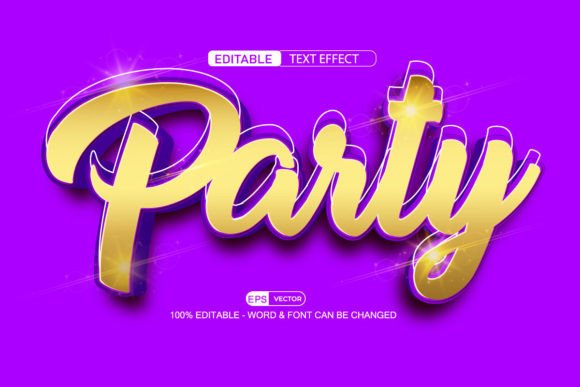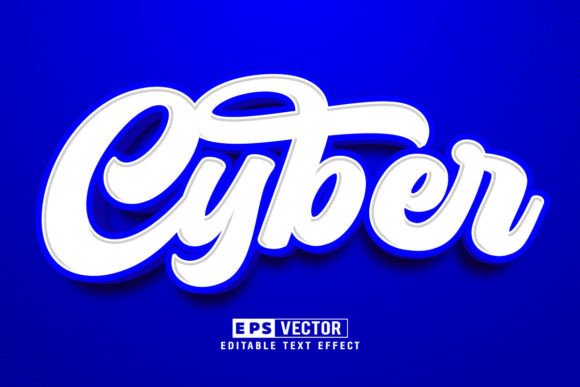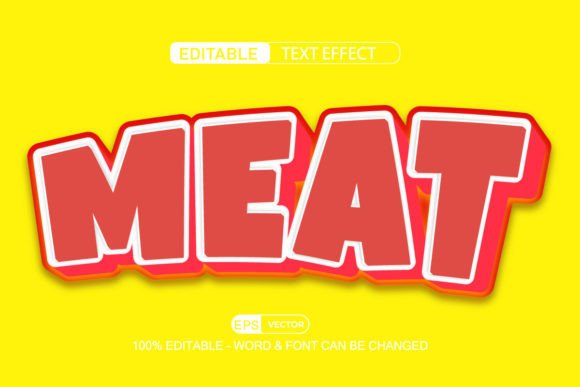
Mastering the Teach Editable Text Effect Vector 3D Style in Adobe Illustrator
In today’s digital world, visual content plays a pivotal role in communication. Whether you're designing for marketing, education, or personal projects, having tools that offer flexibility and creativity is essential. One such powerful tool in Adobe Illustrator is the Teach Editable Text Effect Vector 3D Style. This effect allows users to create stunning 3D text styles while maintaining full control over the text properties like words, fonts, and size. In this article, we’ll break down what it is, why it matters, and how you can use it effectively in your designs.
What Is the Teach Editable Text Effect Vector 3D Style?
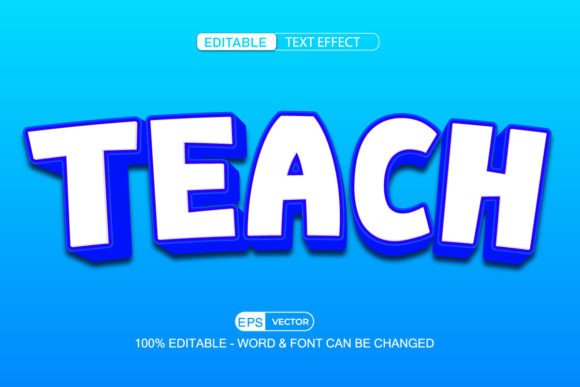
The Teach Editable Text Effect Vector 3D Style refers to a type of vector-based 3D text effect in Adobe Illustrator that preserves the editability of the original text. Unlike rasterized effects, which convert text into static images and limit future changes, this style ensures that your text remains fully editable even after applying complex 3D transformations. It combines the depth and dimensionality of 3D graphics with the scalability and clarity of vector art.
This effect is often provided as part of an Adobe Illustrator template or graphic style, allowing designers to quickly apply professional-looking 3D text effects without needing advanced knowledge of 3D modeling. The key feature is its ability to let you click and edit the text at any time—changing the font, adjusting the size, or even rewriting the entire message—without losing quality or detail.
Flexibility in Design
One of the most significant advantages of using the Teach Editable Text Effect is its adaptability. When you’re working on branding materials, presentations, or promotional graphics, being able to tweak the text without starting from scratch saves both time and effort. For example, if you need to update a slogan or change a headline for a new campaign, you can do so instantly within the same design file.
High-Quality Output
Because it's based on vector graphics, the Teach Editable Text Effect maintains crisp edges and clarity at any size. This makes it ideal for both digital and print media, whether you're preparing a logo for a website or a large billboard. The 3D aspect adds depth and visual interest, making your text stand out without compromising resolution.
Time Efficiency
Designers often work under tight deadlines. With traditional methods, creating 3D text requires layering, extruding, beveling, and manually adjusting lighting and shadows. The Teach Editable Text Effect streamlines this process by bundling these settings into a reusable style. You can apply it to any text and adjust it later, significantly reducing the time spent on repetitive tasks.
How to Use the Teach Editable Text Effect in Adobe Illustrator
Using the Teach Editable Text Effect in Adobe Illustrator is straightforward. Here’s a basic workflow to get you started:
- Select Your Text: Type or select the text you want to apply the effect to. Keep in mind that the effect works best with bold or stylized fonts, but it can also be used creatively with more delicate typefaces.
- Apply the Graphic Style: If you have the Teach Editable Text Effect installed as a graphic style, simply click on it from the Graphic Styles panel. This will apply all pre-defined 3D settings to your text.
- Edit On-The-Fly: Double-click the text box to make changes to the wording, font, or size. The effect updates automatically, preserving the 3D styling while reflecting your edits.
- Customize Further: You can modify colors, lighting angles, and shadow intensity through the Appearance panel or by editing the layers involved in the effect.
This intuitive approach allows even beginners to experiment with 3D text effects without getting overwhelmed by complex tools or settings.
Business and Marketing
In the business world, first impressions matter. Logos, banners, and social media posts with 3D text effects can capture attention and convey professionalism. For instance, a tech startup might use the Teach Editable Text Effect to showcase their name in a modern, dimensional way across their website and promotional materials.
Education and Presentations
Teachers and students alike benefit from visually engaging content. A presentation with 3D headings created using this effect can enhance readability and keep the audience interested. Imagine a science fair poster where the title "The Solar System" appears in bold, three-dimensional letters—this can immediately draw viewers in and communicate importance.
Creative Projects and Personal Branding
Whether you're designing a T-shirt, a YouTube banner, or a personal blog header, the Teach Editable Text Effect gives you creative freedom. You can easily try different phrases or fonts to match your artistic vision. Its user-friendly nature makes it perfect for hobbyists who want to add a professional touch to their DIY projects.
Web and App Design
UI/UX designers frequently use this effect for buttons, menus, or titles that require a bit of flair. Because the text remains editable, it's easy to align with brand guidelines or client preferences during the development phase. Plus, since it's vector-based, it scales perfectly across different screen sizes.
Common Misunderstandings About 3D Text Effects
While the Teach Editable Text Effect is a game-changer, there are some common misconceptions about 3D text in general:
- It’s Only for Advanced Users: Many people assume that 3D text requires a deep understanding of 3D modeling software. However, Adobe Illustrator simplifies this with built-in tools and effects like the Teach Editable Text Effect, which are accessible to all skill levels.
- 3D Text Looks Unnatural: Some believe that 3D text effects look too “artificial” or don’t blend well with other design elements. But when applied thoughtfully and with good typography choices, they can enhance the overall aesthetic and provide a polished finish.
- It Can't Be Used in Print: Another myth is that 3D text is only suitable for digital use. Since the Teach Editable Text Effect is vector-based, it prints just as clearly as it displays on-screen, making it versatile for both formats.
Enhancing Creativity with Editable 3D Text
Editable 3D text opens up a world of possibilities for designers. Here are a few ways you can leverage it creatively:
- Typography Experiments: Try combining different fonts, sizes, and colors within the same 3D text layout to create unique typographic compositions.
- Animated Transitions: If you export your Illustrator design to After Effects or another animation platform, you can animate the editable 3D text to create dynamic transitions and effects.
- Layered Designs: Use multiple instances of the Teach Editable Text Effect with varying depths and angles to build layered, immersive visual experiences.
Real-World Examples
Consider a music festival poster where the event name is displayed in 3D text using this technique. The designer can easily swap out names for different events, ensuring consistency in branding while adapting to each specific performance. Or think of a mobile app launch announcement that uses bold, glowing 3D text to highlight the app name—this can be adjusted quickly as the project evolves.
Best Practices for Using the Teach Editable Text Effect
To maximize the effectiveness of the Teach Editable Text Effect Vector 3D Style, follow these tips:
- Choose the Right Font: Not all fonts translate well into 3D. Sans-serif or slab-serif fonts tend to work better because they maintain their shape and readability when given depth.
- Use High-Contrast Colors: Ensure the text stands out against its background by selecting complementary or contrasting colors. This is especially important for accessibility and visual impact.
- Balance Depth and Realism: Too much extrusion or beveling can make the text appear cluttered. Aim for a balance that enhances the 3D feel without overwhelming the viewer.
- Test Across Platforms: Before finalizing your design, preview it on different devices and in various formats (print, web, mobile) to ensure it looks consistent and clear.
Where to Find and How to Install the Teach Editable Text Effect
If you're excited to start using the Teach Editable Text Effect Vector 3D Style, you can find it on platforms like Adobe Stock, Creative Market, or specialized design resource websites. These downloadable assets typically come in .aia format (Adobe Illustrator Graphic Styles), which can be imported directly into your Illustrator workspace.
To install the effect:
- Open Adobe Illustrator.
- Go to Window > Graphic Styles to open the panel.
- Right-click in the panel and choose Load Graphic Styles....
- Select the downloaded .aia file and click Load.
Once installed, the style will appear in your Graphic Styles panel and can be applied to any text object with a simple click.
Future Trends in 3D Text Design
As technology continues to evolve, so does the landscape of 3D text design. With the rise of augmented reality (AR) and virtual reality (VR), editable 3D text effects are becoming more relevant than ever. Designers now have the opportunity to integrate such text into immersive environments, opening up exciting new avenues for storytelling and interaction.
Moreover, AI-powered design tools are beginning to incorporate smart 3D text features that automatically suggest layouts, color schemes, and effects based on your content. The Teach Editable Text Effect may soon be integrated into these intelligent systems, further enhancing productivity and creativity.
Conclusion
The Teach Editable Text Effect Vector 3D Style is more than just a design trick—it’s a valuable asset for anyone looking to create dynamic, high-quality text visuals. By offering ease of use, scalability, and endless customization options, it bridges the gap between simplicity and sophistication in design. Whether you're a seasoned professional or a beginner, this tool empowers you to bring your ideas to life with greater efficiency and impact.
Embrace the power of editable 3D text and unlock new dimensions in your creative projects. Start experimenting with the Teach Editable Text Effect today and discover how it can elevate your designs across a variety of platforms and industries.