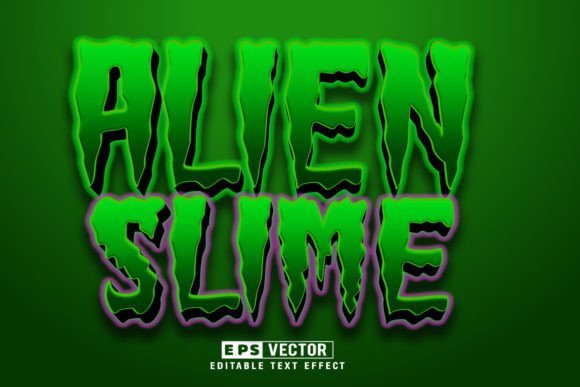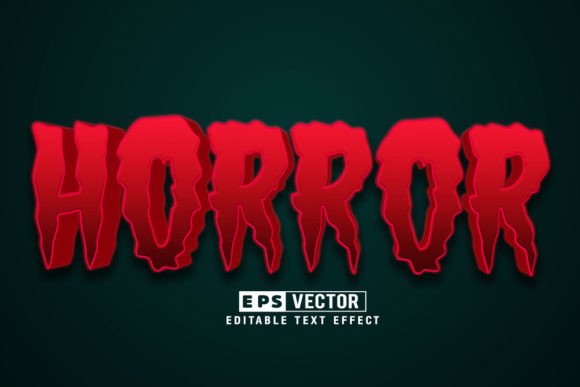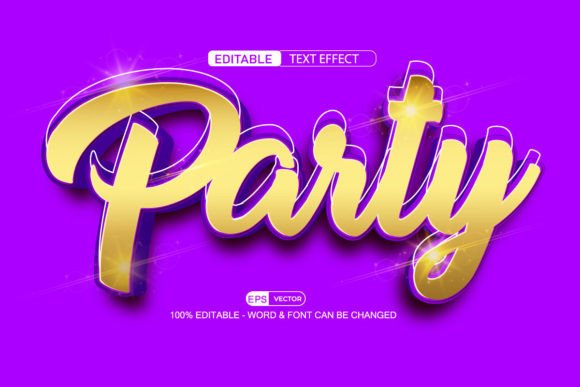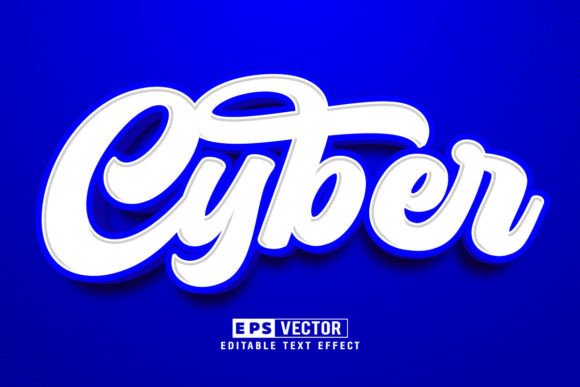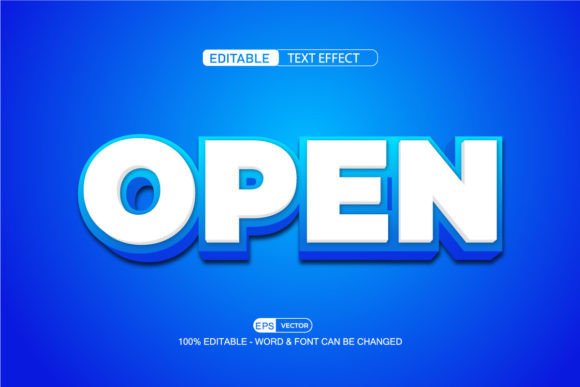
Open Text Effect Vector 3D Style
Designers, marketers, and content creators often seek tools that combine flexibility with visual impact. The Open Text Effect Vector 3D Style offers a compelling solution by enabling users to create dynamic, three-dimensional text effects directly in Adobe Illustrator. Whether you're designing for print, digital media, or presentations, this vector-based design approach brings a fresh perspective to typography, allowing for seamless customization and professional-grade results.
What Is Open Text Effect Vector 3D Style?
The Open Text Effect Vector 3D Style is an innovative design technique used within Adobe Illustrator to generate text that appears in three dimensions without the need for complex modeling tools. Unlike raster-based 3D text effects found in some software, this method relies on vector graphics, which means your designs remain scalable, editable, and resolution-independent. This is especially valuable when working across different platforms—from websites to billboards—where image quality must stay consistent regardless of size.
Why It Matters for Modern Designers
In today’s fast-paced creative environment, efficiency and adaptability are key. Traditional 3D text creation can be time-consuming and restrictive, especially if you later decide to tweak the message or font. With the Open Text Effect Vector 3D Style, these limitations vanish. You can modify words, fonts, sizes, and even layer styles instantly, making it ideal for projects where iteration is frequent or last-minute changes are common.
Practical Use Cases Across Industries
This design style isn’t just about aesthetics—it delivers real-world value. Here's how professionals from various fields can benefit:
- Marketing Professionals: Create eye-catching headlines for campaigns that pop visually but remain easy to update based on feedback or changing brand guidelines.
- Web Developers & UI/UX Designers: Integrate high-quality 3D text into website mockups or app interfaces without worrying about pixelation or file size issues.
- Graphic Designers: Produce logos, banners, posters, or infographics with dimensional text that stands out while retaining full control over every element.
- Bloggers & Content Creators: Enhance blog headers, social media posts, or video thumbnails with bold, modern typography that aligns with your brand voice.
- Small Business Owners: Craft promotional materials like flyers, product packaging, or signage that convey professionalism without needing advanced 3D software skills.
Key Benefits of Using Open Text Effect Vector 3D Style
One of the standout features of the Open Text Effect Vector 3D Style is its ease of editing. When you apply this effect, it doesn’t lock you into a static design. Instead, it remains fully editable at any point in the design process. Let’s explore how this translates into tangible benefits:
1. Editable Words and Fonts Without Compromise
With many 3D text tools, once you apply an effect, you lose the ability to change the text or font easily. Not so with the Open Text Effect Vector 3D Style. Because it’s built using vector layers, you can open up the text elements and adjust them as needed. Want to switch from Montserrat to Bebas Neue? No problem. Need to shorten a phrase for a smaller space? Simply click and edit. This level of flexibility is crucial in collaborative environments where feedback loops are part of the workflow.
2. Streamline Your Design Workflow
Time is money in the creative world. By using the Open Text Effect Vector 3D Style, you eliminate the need to go back and forth between different programs to adjust 3D text. Everything is done within Adobe Illustrator, reducing export/import steps and minimizing potential errors. For example, a marketer preparing multiple variations of a campaign poster can quickly experiment with different text options and see real-time previews, accelerating decision-making and revisions.
3. Maintain High-Quality Output at Any Scale
Vector-based designs don’t lose clarity when resized. This makes the Open Text Effect Vector 3D Style perfect for use in both small-scale digital assets and large-format print materials. Imagine designing a logo with 3D text for a client who later wants it printed on a billboard. Thanks to vectors, the design holds up flawlessly, ensuring your work looks sharp no matter the medium.
4. Strengthen Communication Through Visual Hierarchy
Text is a core component of communication, and the way it’s presented can influence how messages are received. The 3D styling provided by this effect adds depth and dimension, helping to highlight key phrases or calls to action. A teacher creating educational materials, for instance, might use this feature to emphasize important concepts in slides or handouts, improving engagement and comprehension among students.
5. Support Creative Exploration
Designers love to experiment, and this tool gives them more room to play. You can blend 3D text with other vector elements, gradients, shadows, or lighting effects to create unique compositions. An artist developing a portfolio cover could mix this effect with abstract shapes or textures to craft a piece that feels modern and personal, all while keeping the design editable for future tweaks.
How to Get Started: Tips for Effective Implementation
If you’re new to the Open Text Effect Vector 3D Style, here are a few practical tips to help you integrate it smoothly into your projects:
- Use Layer Styles: Start by applying basic layer effects like bevels, extrusions, and gradients. These are easier to manage and provide a solid foundation for your 3D text.
- Group Elements Thoughtfully: Keep your layers organized by grouping related components. This not only helps during edits but also makes it easier to reuse parts of the design in future projects.
- Test on Different Backgrounds: Since 3D text can cast shadows or have highlights, preview your design on various background colors and textures to ensure readability and visual balance.
- Export Smartly: When exporting for web or print, choose the right format. SVG preserves scalability, while PNG ensures transparency and flat backgrounds are handled correctly.
Real-World Examples of Impact
Let’s consider a few scenarios where the Open Text Effect Vector 3D Style has made a difference:
- A freelance designer was tasked with updating a client’s website banner. By using this effect, they were able to offer several 3D-style variations quickly, leading to faster client approval and reduced back-and-forth.
- An entrepreneur created a launch announcement for their new product using 3D text. The effect helped their message stand out in crowded social feeds, increasing visibility and click-through rates.
- An educator designed interactive learning modules where each section title had a subtle 3D effect. Students reported better focus and retention due to the enhanced visual hierarchy.
Who Should Consider This Tool?
While anyone working with Adobe Illustrator can benefit from this effect, certain professions will find it particularly useful:
- Brand designers: They often need to maintain consistency across multiple formats. The ability to edit text and scale freely is essential.
- Digital marketers: Creating attention-grabbing visuals for ads, emails, or landing pages becomes much simpler with editable 3D text.
- Freelancers and hobbyists: Those on a tight schedule or with limited resources can achieve high-quality results without investing in expensive 3D modeling software.
- Publishers and educators: The effect enhances readability and visual appeal in educational content, books, or online courses.
Considerations and Limitations
Despite its advantages, there are a few things to keep in mind before choosing the Open Text Effect Vector 3D Style:
- Complexity vs. Simplicity: While the effect is easy to apply, achieving a polished look may require some practice with layer styles and blending modes.
- Performance in Large Files: Highly detailed 3D text effects can increase file size and slow down performance in Illustrator. Optimize by simplifying unnecessary layers or converting them to outlines when finalizing the design.
- Compatibility Concerns: If sharing files with collaborators who aren’t using Adobe Illustrator, consider exporting to a compatible format or flattening the design appropriately.
These limitations shouldn't deter you from exploring the possibilities, but they do highlight the importance of understanding how this tool fits into your specific project needs.
Comparison with Other Tools and Techniques
Many designers turn to plugins or external 3D software like Blender or Cinema 4D for advanced text effects. However, the Open Text Effect Vector 3D Style offers a middle ground—providing enough depth and customization for most design tasks while staying within the familiar Adobe Illustrator interface. For simple to mid-level 3D text, it’s often more efficient than launching another program and dealing with export settings.
That said, if you need ultra-realistic renderings or complex animations, you might still prefer dedicated 3D tools. But for the majority of design workflows—especially those requiring quick edits and clean vector output—this effect is hard to beat.
Enhancing Creativity and Efficiency
Adobe Illustrator is already a powerful platform for vector design, and the Open Text Effect Vector 3D Style amplifies its strengths. By combining intuitive editing with striking visual results, it supports a more agile and creative process. Think of it as a shortcut to producing impactful, professional-looking text without sacrificing the freedom to make adjustments as needed.
For instance, a blogger redesigning their newsletter header can apply the 3D effect and then fine-tune the font size and color to match their branding. There’s no need to start from scratch if they want to try a different headline next month. Just click and edit.
Final Thoughts on Integrating Open Text Effect Vector 3D Style
As we’ve seen, the Open Text Effect Vector 3D Style is more than just a flashy effect—it’s a practical addition to any designer’s toolkit. Its combination of ease of use, scalability, and visual appeal makes it suitable for a wide range of applications. Whether you're crafting a presentation, designing marketing collateral, or building a brand identity, this feature allows you to communicate more effectively and creatively.
By leveraging this tool, you’re not only saving time but also enhancing the overall quality of your work. It empowers you to deliver polished, professional results while maintaining the flexibility to adapt as needed. That’s what modern design is all about—staying ahead of the curve without getting bogged down in technical hurdles.