Spider and Spiderweb Layered Design: A Modern Approach to Creative Expression and Branding
In the ever-evolving world of design, creators are constantly on the lookout for innovative ways to stand out. One such concept gaining traction is Spider and Spiderweb Layered Design. This artistic approach blends symbolism with visual complexity, making it a compelling choice for professionals in creative industries, entrepreneurs, marketers, and enthusiasts who value depth and originality in their work. With its intricate patterns and versatile applications, the Spider and Spiderweb Layered Design offers more than just aesthetic appeal—it tells a story, conveys meaning, and aligns with contemporary trends in branding, art, and digital media.
What Is Spider and Spiderweb Layered Design?
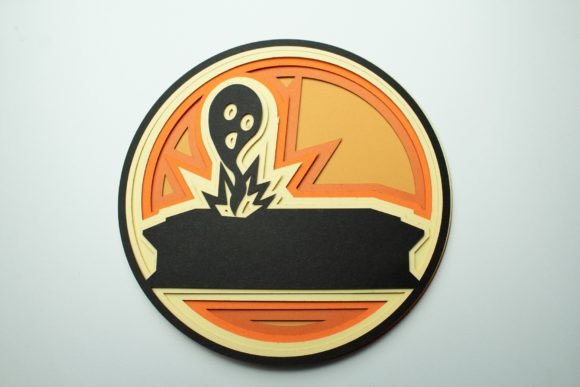
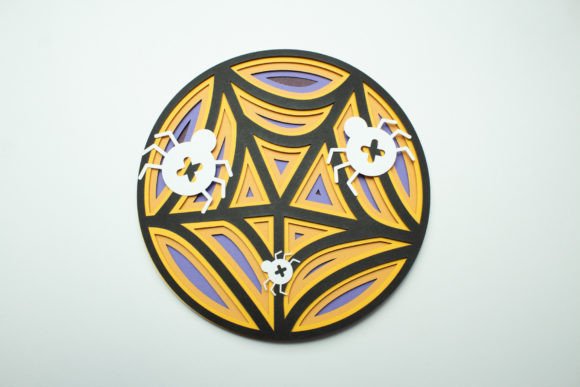
The Spider and Spiderweb Layered Design refers to a multi-layered visual motif that features a spider or spiders entwined within the structure of a web. These designs are often crafted using techniques like die-cutting, laser engraving, or layered cardstock, allowing for dimensionality and detail that flat illustrations cannot achieve. The design can be stylized in various ways—realistic, abstract, minimalist, or even whimsical—depending on the creator's intent and the medium used.
This layered technique typically involves several translucent or opaque layers stacked together to create a sense of depth and movement. Each layer contributes to the overall image, whether by highlighting specific elements of the spider, adding texture to the web, or creating shadows and highlights for a three-dimensional effect. When executed well, the result is a striking piece of artwork that captures attention and invites closer inspection.
Key Elements of the Design
- Layering: Multiple layers allow for dynamic visuals and tactile experiences.
- Symbolism: Spiders and webs are rich in metaphor, representing creativity, connection, resilience, and control.
- Detail and Precision: The design relies on accurate cuts and alignments to maintain its integrity across layers.
- Versatility: It works equally well in print and digital formats, from logos to wall art and beyond.
Why This Design Resonates with Today’s Audience
In recent years, there has been a growing interest in symbolic and meaningful design elements. Consumers and businesses alike are drawn to imagery that communicates deeper values and ideas. The spider and spiderweb motif taps into this desire by offering a canvas for storytelling through its inherent symbolism.
Spiders have long held cultural significance across many societies. In some contexts, they symbolize patience and strategy; in others, they represent chaos and mystery. The web itself evokes themes of interconnectedness, structure, and the delicate balance between order and fragility. These interpretations make the Spider and Spiderweb Layered Design particularly appealing in branding and marketing, where visual metaphors can resonate strongly with target audiences.
Applications Across Industries
This design is not limited to a single industry. Its adaptability allows it to thrive in multiple sectors:
- Graphic Design and Branding: Many modern brands incorporate insects or nature-inspired motifs as part of their identity. The Spider and Spiderweb design can be used in logos, packaging, and promotional materials to evoke sophistication and uniqueness.
- Crafting and DIY Projects: For hobbyists and crafters, the layered format provides an engaging challenge. Using high-quality materials like Encore Cardstock 80 lb cover 216 gsm, designers can create visually stunning pieces that serve both decorative and functional purposes.
- Interior Design and Decor: Wall art featuring this design adds a touch of elegance and intrigue to spaces. Whether as a standalone piece or part of a larger collection, it brings a sense of craftsmanship and individuality.
- Technology and Web Development: As a metaphor for connectivity, the spiderweb can inspire UI/UX design, especially when aiming to depict networks, data structures, or social connections.
Trends Driving the Popularity of Spider and Spiderweb Designs
Several current trends contribute to the rising popularity of Spider and Spiderweb Layered Design:
1. Demand for Unique and Personalized Visuals
In today’s market, generic designs no longer cut it. Businesses and individuals are seeking unique visuals that reflect their personality and differentiate them from competitors. The Spider and Spiderweb Layered Design meets this need by offering a customizable, multi-dimensional format that stands out in a crowded visual landscape.
2. Rise of Handcrafted and Tactile Media
With the increasing dominance of digital content, there's a renewed appreciation for handcrafted and tactile elements. Layered designs provide a physical experience that digital screens can't replicate, making them ideal for print-based projects like greeting cards, invitations, and product packaging.
3. Sustainability and Minimalism
Minimalist aesthetics and sustainable practices are at the forefront of consumer preferences. The Spider and Spiderweb Layered Design aligns perfectly with these trends by using clean lines, thoughtful composition, and eco-friendly materials like premium cardstock that emphasize quality over quantity.
4. Cross-Industry Inspiration
Designers are increasingly drawing inspiration from unexpected sources. Nature, science, and mythology all offer rich material for creative reinterpretation. The spider, often overlooked in mainstream design, presents a fresh perspective that can breathe new life into projects across industries.
Practical Examples of Spider and Spiderweb Layered Design in Action
To understand the potential of this design, consider how it has been applied in real-world scenarios:
- Brand Identity: A boutique fashion brand might use the Spider and Spiderweb Layered Design as a logo to symbolize the interconnectedness of global markets and the precision of craftsmanship.
- Event Marketing: Wedding planners and event designers have adopted this motif for themed decorations, using layered cardstock to create elegant centerpieces and signage that capture the essence of delicacy and strength.
- Home Decor: Interior decorators feature this design in custom wall art, lamps, and mirrors, adding a dramatic focal point to modern interiors.
- Product Packaging: Luxury skincare and beauty brands use the Spider and Spiderweb Layered Design in packaging to evoke themes of natural ingredients, intricate formulations, and mindful application.
Tools and Formats Available for Implementation
For those looking to bring the Spider and Spiderweb Layered Design to life, a variety of file formats are available to suit different needs:
- SVG (Scalable Vector Graphics): Perfect for digital editing and resizing without loss of quality.
- PDF: Ideal for printing and includes detailed instructions on crafting the design manually.
- EPS (Encapsulated PostScript): Compatible with professional graphic design software for advanced customization.
- PNG: Great for web use and social media, providing transparent backgrounds for seamless integration.
- DXF (Drawing Exchange Format): Used primarily in CAD software, suitable for laser cutting and precision manufacturing.
These formats ensure that the design can be adapted to nearly any platform or production method, from digital campaigns to large-scale installations.
How to Create Your Own Spider and Spiderweb Layered Design
Creating your own Spider and Spiderweb Layered Design begins with selecting the right tools and materials. High-quality cardstock is essential for maintaining clarity and durability, especially when working with intricate layers. The included PDF guide walks you through each step of the process, ensuring even beginners can achieve professional results.
Here’s a simplified overview of the creation process:
- Choose your preferred format (e.g., SVG or DXF) based on your project requirements.
- Print each layer onto the selected cardstock using a high-resolution printer.
- Cut along the designated lines with a precise tool like a Cricut or Silhouette machine.
- Assemble the layers carefully, starting with the background and moving toward the foreground.
- Secure the layers with glue or adhesive tape, ensuring alignment and stability.
This hands-on approach not only enhances the final product but also deepens the creator’s connection to the design. It encourages experimentation with color, texture, and layout, making each version of the Spider and Spiderweb Layered Design unique.
Spider and Spiderweb Layered Design as a Reflection of Changing Workflows
Modern workflows demand flexibility, efficiency, and creativity. The Spider and Spiderweb Layered Design embodies these principles by enabling creators to produce high-quality outputs quickly and effectively. With ready-to-use templates and clear instructions, it streamlines the design process while still leaving room for personalization.
Entrepreneurs and freelancers benefit from this efficiency, especially in industries where rapid prototyping and client feedback are crucial. The ability to iterate and adjust the design with minimal effort supports agile development and ensures that the final product meets evolving expectations.
Adapting to Digital and Print Demands
As digital platforms continue to dominate communication channels, the need for adaptable design assets is more pressing than ever. The Spider and Spiderweb Layered Design bridges the gap between digital and print media, ensuring consistency across all formats. Whether displayed on a website or printed on a business card, the design maintains its impact and coherence.
Looking Ahead: The Future of Spider and Spiderweb Layered Design
As technology advances and consumer tastes shift, the Spider and Spiderweb Layered Design is poised to remain relevant. Its foundation in symbolism and its adaptability across mediums position it as a timeless yet modern design solution. Moreover, as sustainability becomes a central concern in creative industries, the emphasis on reusable, high-quality materials will further enhance its appeal.
Expect to see this design evolve with new techniques and applications. Innovations in laser cutting, 3D modeling, and augmented reality could open exciting possibilities for interactive versions of the Spider and Spiderweb Layered Design. These developments will expand its reach and utility, reinforcing its place in the broader design ecosystem.
Embracing the Trend Responsibly
While the trend is promising, it’s important for creators to approach it thoughtfully. The Spider and Spiderweb Layered Design should be used purposefully, aligned with the message or function it serves. Simply adopting the motif for novelty’s sake may dilute its impact. Instead, focus on how the design enhances your project’s narrative and engages your audience.
Conclusion
The Spider and Spiderweb Layered Design is more than a fleeting trend—it represents a convergence of symbolism, craftsmanship, and adaptability that resonates with today’s creative and business landscapes. By leveraging its depth and versatility, professionals and enthusiasts alike can elevate their projects and connect with audiences in meaningful ways.
Whether you're a designer exploring new forms of expression, a marketer crafting a memorable brand identity, or a hobbyist diving into the world of layered crafts, this design offers a powerful toolkit. With access to formats like SVG, PDF, EPS, PNG, and DXF, along with step-by-step guidance, creating your own Spider and Spiderweb Layered Design has never been easier or more accessible.
Ready to explore the possibilities? Start by downloading your template and experimenting with the Encore Cardstock 80 lb cover 216 gsm featured in the package, you’ll be equipped to create something truly remarkable. As you embark on this journey, remember that the true power of the Spider and Spiderweb Layered Design lies in its ability to tell stories, spark curiosity, and leave a lasting impression.